When most people think of American wine country, images of Napa Valley or Oregon’s Willamette Valley probably come to mind. But tucked away in the northeastern corner of the U.S., Vermont is quietly making a name for itself in the world of wine. Known for its rolling green hills, farm-to-table ethos, and fiercely independent spirit, Vermont is now producing wines that are as distinctive and complex as its landscape.
A Climate for the Bold
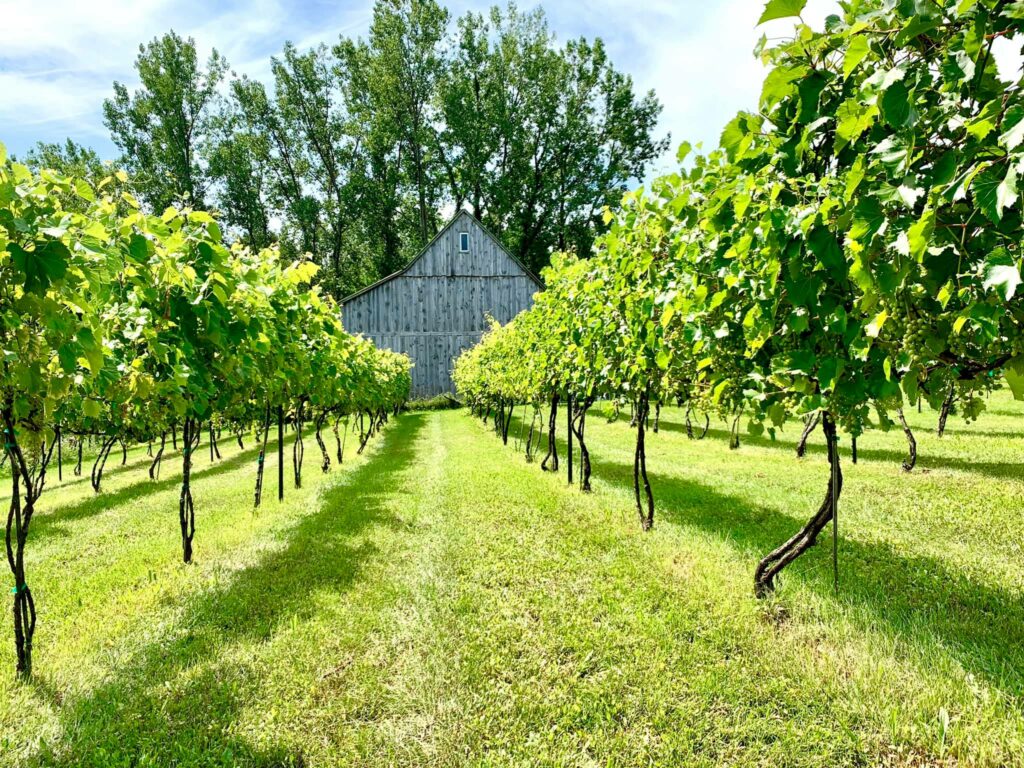
Vermont isn’t the easiest place to grow grapes. With long, cold winters, a short growing season, and plenty of humidity, traditional vinifera grapes (like Cabernet Sauvignon or Chardonnay) struggle here. But Vermont winemakers don’t see this as a limitation — they see it as a creative challenge.
Enter cold-hardy hybrids: grape varieties bred to withstand northern climates. Names like Marquette, La Crescent, and Frontenac are becoming increasingly familiar to wine lovers seeking something off the beaten path. These grapes don’t just survive in Vermont — they thrive, yielding wines with bright acidity, herbal complexity, and a strong sense of place.
The Rise of Natural Wine
Vermont’s wine scene is tightly knit, experimental, and deeply rooted in sustainable agriculture. Many of the state’s winemakers lean toward natural and minimal-intervention techniques. That means organic farming, native yeasts, and little to no added sulfur. The result? Wines that are funky, fresh, and alive — often more reminiscent of European pét-nats and orange wines than of conventional American offerings.
Producers like La Garagista, Ellison Estate Vineyard, and Fable Farm Fermentory are leading the way, crafting wines that blur the line between tradition and innovation. Their bottles are often found in chic wine bars in Brooklyn and Paris as much as they are in local Vermont co-ops and farm stands.
Wine, the Vermont Way
Drinking Vermont wine is about more than just taste — it’s about ethos. The same values that define the state’s food culture apply here: sustainability, localism, seasonality, and craftsmanship. Many winemakers also grow their own food, raise animals, or make cider (another burgeoning scene in Vermont). There’s a sense that the wine is part of a broader ecosystem, not just a product on a shelf.
Visiting Vermont Wine Country
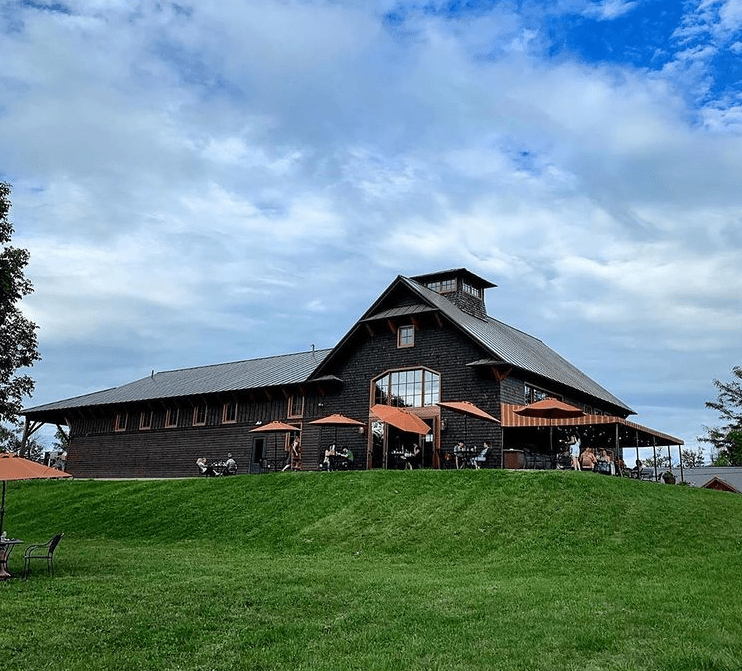
If you’re planning a visit, prepare for a different kind of wine tourism. Don’t expect grand tasting rooms or luxury resorts. Instead, think charming barn-side tastings, vineyard picnics with views of the Green Mountains, and conversations with the winemakers themselves. It’s rustic, welcoming, and refreshingly unpretentious.
Some must-visits:
- La Garagista Farm + Winery (Barnard): Arguably the most internationally acclaimed, La Garagista makes wines that are poetic expressions of Vermont terroir.
- Hillis’ Sugarbush Farm & Vineyards (Colchester): Known for their use of Frontenac and beautiful lakeside views.
- Shelburne Vineyard (Shelburne): One of the more established operations, offering approachable wines and beautiful tasting spaces.
The Future is Fermenting
Vermont’s wine industry is still young, but its trajectory is promising. As climate change alters growing regions around the world, and as consumer tastes shift toward the unique and sustainable, Vermont is positioned to become a small but influential voice in American wine.
So, whether you’re a seasoned sommelier or just someone curious about what’s in your glass, Vermont wine offers something truly different — a chance to taste resilience, creativity, and a deep connection to land and community.
Cheers to the unexpected. Cheers to Vermont.
#cheerstothemoment
 Everyday_Vino