An increased focus on health and wellness is making veganism one of the fastest-growing consumer trends, with sales of plant-based food in the U.S. in 2022, totaling upwards of $8.1 billion.
Piggybacking off of increased demand, many winemakers and retailers are adding vegan and vegetarian symbols to the information for their wine both at the vineyard and on the bottle.
One might ask, is not all wine vegan? I mean it’s just grapes, right? What may surprise you is that many winemakers use fining agents derived from milk, egg whites, or animal and fish proteins to remove heavy tannins from reds and give to give white wine its clarity. Though removed in the final product, their temporary presence makes the wines non-vegan. Vegan wines strive to replace animal-based products with clay or charcoal-based alternatives.
Now we know that there might be a few questions circling in your head; Does vegan wine taste different? Can vegan wine be aged? The short answer to both of those questions is no. First, vegan wine does not taste any different simply because it is ‘vegan’. The largest impacts on flavor and body remain tried and true to grape varietal, location, and method of wine-making. Second, a true vegan wine would most likely not contain any preservatives, therefore should be enjoyed within a year (our suggestion). There are plenty of people we spoke with, however, that enjoy aging vegan wine and have found much success.
If you’re new to the world of vegan living, or just curious about what’s actually in your wine glass, you might be surprised to learn that not all wine is vegan. In fact, many wines go through a production process that involves animal-derived products. But don’t worry — vegan wine is a thing, and it’s becoming easier to find than ever.
Let’s break it down.
What Makes a Wine Non-Vegan?
Wine begins with fermented grapes, but it doesn’t end there.
After fermentation, wine often looks cloudy due to particles like proteins, yeast, and tannins. To clarify it, winemakers use a process called fining. This is where things get tricky for vegans.
Common fining agents include:
- Isinglass (from fish bladders)
- Egg whites (albumin)
- Casein (a milk protein)
- Gelatin (from animal collagen)
Though these agents are removed from the final product, they’re still part of the production process — making the wine unsuitable for vegans (and some vegetarians, too).
So What Is Vegan Wine?
Vegan wine is made without using any animal-derived fining agents. Instead, winemakers use alternatives like:
- Bentonite clay
- Activated charcoal
- Pea protein
- Or they let the wine self-clarify naturally over time
The result is a wine that’s just as clear and delicious — but 100% animal-free; and the good news? Vegan wine is no longer a niche product. With growing demand and awareness, more winemakers are choosing plant-based methods — and many have always made vegan wine without realizing it!
We tried around 15 Vegan-advertised wines and found a few that we wanted to share.
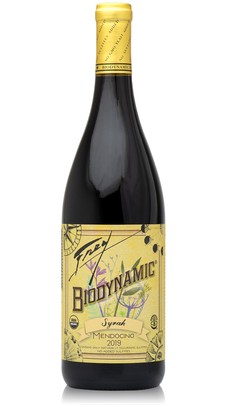
Frey-Biodynamic Syrah
Fig, Bay Leaf, Tobacco, Roasted Toffee Nut.
California
$20
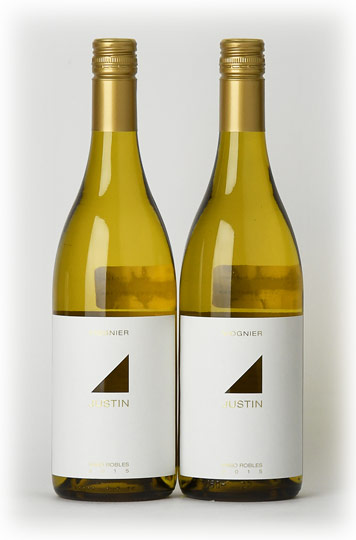
Justin-Viognier
Ripe Apricot, Peach, Lemon, Stone Fruit, Yellow Apple and Meyer Lemon
California
$20
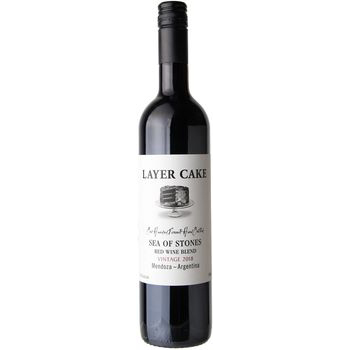
Layer Cake-Sea of Stones
Lavender, Blueberry Pie, Black Cherry, Savory Fruit, Espresso, and Dark Chocolate
Argentina
$18
Home
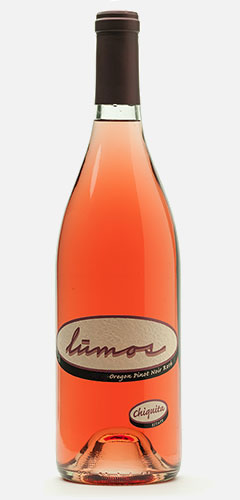
Lumos-Pinot Noir Rose
Strawberry, Kiwi, Sweet Hard Candy, Plumfruit, Reduced Peach, Ripe Nectarine
Oregon
$21
#cheerstothemoment
 Everyday_Vino